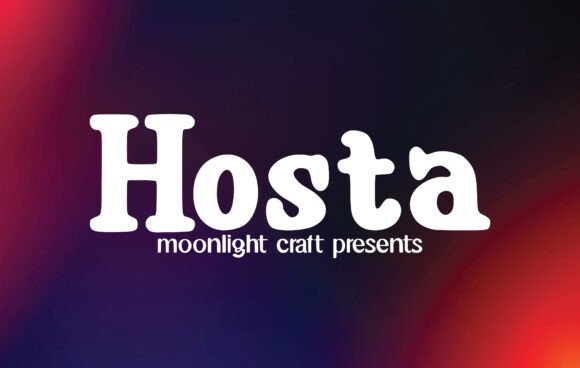
Hosta: A Handwritten Font for Authentic Branding
In a digital world saturated with sterile, geometric typefaces, there's a growing hunger for something with a human touch. We crave authenticity, warmth, and a sense of the handcrafted. This is precisely where Hosta, a lovely and beautiful handwritten font, finds its purpose. It's more than just a collection of letters; it's a design asset with the potential to inject personality and soul into your projects, taking your creative ideas to their highest visual expression. For designers, entrepreneurs, and creators, understanding a font like Hosta is key to connecting with an audience on a more personal level.
The Visual Character of a Modern Handwritten Font
Hosta strikes a delicate balance. It possesses the organic, flowing quality of a natural script but is refined enough to feel intentional and polished. Unlike overly casual or messy handwritten fonts, Hosta maintains a sense of elegance and legibility. The letterforms have a gentle, rhythmic flow, with subtle variations in stroke weight that mimic the pressure of a real pen. This isn't a rigid, predictable script; it has a confident, contemporary personality that feels both personal and professional. Its overall appeal lies in this versatility—it can be playful and inviting for a children's brand or sophisticated and intimate for a luxury product.
A Font for Crafting Memorable Logos and Brand Identities
Where Hosta truly excels is in the realm of logo design and brand identity. A logo is the face of a business, and choosing a display font like Hosta can make that face instantly more approachable and memorable. For a boutique coffee shop, a handmade jewelry brand, or a freelance photographer, a logo set in Hosta communicates care, craftsmanship, and a personal connection that a standard sans serif font might miss. It’s a premium font choice that signals quality without being ostentatious. When used for a brand's primary wordmark, it creates an immediate emotional anchor, helping the audience feel something specific about the business before they even read the 'About Us' page.
Beyond the logo, Hosta can weave through an entire brand identity to create consistency. Imagine it on a business card, a thank-you note, or the header of a website. This consistent use of a creative font reinforces the brand's character, building recognition and trust. It tells a cohesive story. For a wedding planner, using Hosta across invitations, menus, and signage creates a unified, romantic aesthetic. For a blogger, it can become a signature element in their graphics, making their content instantly recognizable in a crowded social media feed. This strategic application of typography is a cornerstone of effective brand strategy.
Practical Applications from Digital to Print
The utility of a well-crafted typeface like Hosta extends far beyond a single logo. Its strength as a script font makes it incredibly versatile for various mediums. In web design, it can be used sparingly for impactful headlines or call-to-action buttons, drawing the eye and adding a touch of personality without sacrificing site-wide readability. Paired with a clean serif font or a simple sans serif for body text, it creates a beautiful and functional font pairing that guides the user's experience.
For social media graphics, Hosta is a powerhouse. It’s perfect for creating quote images, promotional announcements, or Instagram Story headers that stand out. Its handwritten nature feels native to the platform, encouraging engagement and sharing. In editorial design, think of a magazine feature or a cookbook chapter opener. A title set in Hosta can set a specific mood—be it rustic, elegant, or whimsical—immediately drawing the reader into the content. Similarly, in packaging design, it can make a product feel more artisanal and special, suggesting a story behind the label.
How to Choose and Implement Hosta in Your Projects
Adopting a new typeface requires thoughtful evaluation. First, consider your project's core message. Does Hosta's personality align with your goals? It's ideal for projects that value authenticity, warmth, and a human connection. A tech startup aiming for a hyper-minimalist, futuristic vibe might find it incongruous, whereas a bakery, a yoga studio, or a personal coach would find it a perfect fit.
Once you've decided it's a good match, explore the font's features. Does it come with multiple styles? Often, a handwritten font like Hosta will include alternates or ligatures—swashes and connecting letters that add flair and prevent repetition, especially in longer headlines. Testing these is crucial. Next, focus on font pairing. Hosta works beautifully as a headline font, so pair it with a highly legible body font. A simple geometric sans serif or a classic, readable serif can provide a perfect counterbalance, ensuring your overall design has both style and substance.
Finally, always consider the practicalities. For any commercial use, ensure you have the correct commercial font license. This is non-negotiable for professional work. Readability is another key factor. While Hosta is clear for display sizes, it may not be suitable for long paragraphs of small text. Use it where it shines: in short, impactful bursts. By thoughtfully integrating Hosta into your toolkit of design assets, you gain a powerful ally for creating work that doesn't just look good, but feels genuine and resonates deeply with your intended audience.